

Rubella in 2026: Hidden Risks You Shouldn’t Ignore
Written By - Elira Stanswick
on May 1, 2026
Rubella does not usually arrive like a health drama. It is not loud, not flashy, and not the virus most people talk about at dinner. In fact, that is exactly why it keeps slipping under the radar. Many people still think of rubella as an old-school childhood infection that medicine already “handled.” But in 2026, that assumption feels a little too relaxed. Public health agencies still monitor rubella closely, global vaccination coverage is not perfect, and international travel keeps creating opportunities for imported infections to move across borders. The virus may look mild on the surface, but its real danger is not always what it does to you — it is what it can do during pregnancy, especially in the earliest weeks before someone even knows they are expecting. So yes, rubella deserves a fresh conversation in 2026, not a dusty paragraph in a school textbook. If you are a parent, planning pregnancy, already pregnant, or simply trying to stay one step ahead of preventable health risks, this is one of those topics worth five minutes of your time now rather than a whole lot of regret later.
The Silent Comeback: Why Rubella Is Trending Again ?
Rubella is “trending” again not because it suddenly became a brand-new virus, but because the conditions that help vaccine-preventable diseases return are very much alive in 2026. Health officials continue to warn that immunity gaps, misinformation, inconsistent vaccine coverage, and international travel can reintroduce infections that many people assume are gone for good. The United States eliminated endemic rubella in 2004, but CDC still warns that imported cases can happen when unvaccinated people are exposed abroad or through travelers arriving from countries where the virus still circulates. That matters because viruses do not care whether your passport says “low-risk country.” If immunity is weak, they travel just fine. Globally, WHO says rubella vaccine had been introduced in 178 member states by the end of 2024, yet global coverage was still only about 73%, which leaves millions of people and communities short of strong protection. Add vaccine hesitancy to that mix, and suddenly the idea of rubella being a “yesterday problem” starts to look a little naïve. The bigger public health story in 2025 and 2026 has also included renewed concern about measles outbreaks and falling confidence in vaccination in some communities. Rubella often rides the same conversation because it is prevented by the same MMR vaccination strategy and thrives in the same immunity gaps. So, while rubella may not dominate headlines every week, it remains one missed vaccine, one overseas exposure, or one under-vaccinated cluster away from becoming very real again. Quiet viruses are not harmless viruses. Sometimes they are just better at sneaking up on us.
Mild Virus, Major Damage: The Truth About Rubella
Here is the part that catches people off guard: rubella is often mild in children and adults. That sounds comforting until you realize “mild for me” can still mean “devastating for a developing baby.” Most people with rubella experience a short-lived illness with a rash, low-grade fever, swollen lymph nodes, and maybe some red eyes or joint aches. That low-drama presentation is exactly what makes rubella so easy to underestimate. You might brush it off as allergies, a random viral bug, or one of those “I’ll just sleep it off” situations. But the danger changes completely in pregnancy. WHO reports that rubella infection early in pregnancy can lead to miscarriage, foetal death, stillbirth, or congenital rubella syndrome, and that a woman infected early in pregnancy has a very high chance of passing the virus to the foetus. This is why rubella is still considered the leading vaccine-preventable cause of birth defects worldwide. In adults, especially women, rubella can also cause arthritis or painful joints, and though serious complications are rare, they can happen. So yes, in many people rubella behaves like a small problem. But public health does not judge viruses only by how annoying they are in healthy adults. It judges them by the damage they can trigger in vulnerable people. Rubella earns attention because its worst outcomes are not always obvious in the person carrying it. That is what makes it dangerous: a polite-looking virus with an absolutely brutal side when pregnancy is involved.
Pregnancy Alert: Protecting Your Baby Starts Early
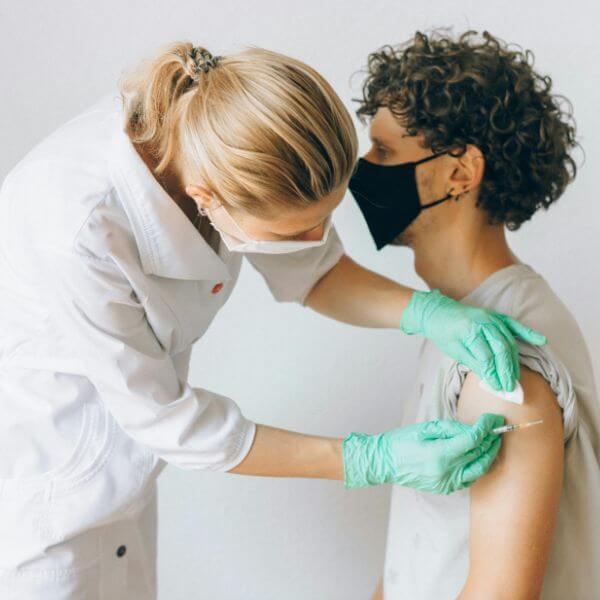
If there is one part of this article worth bookmarking, it is this one. Rubella protection should start before pregnancy, not during a panic-filled phone call after exposure. CDC is very clear: if you are planning to become pregnant, make sure you are protected against rubella beforehand. That matters because the most severe foetal damage happens very early in pregnancy, especially in the first trimester, when many people are only beginning to suspect they might be pregnant. Congenital Rubella Syndrome, or CRS, can affect hearing, vision, the heart, brain, liver, growth, and long-term development. There is no cure for CRS — only treatment for specific complications after birth. That is why prevention is everything here. The smart move is simple: ask your doctor to check your vaccine history or immunity status before trying to conceive. If you are not vaccinated, the MMR vaccine is given before pregnancy, and CDC advises avoiding pregnancy for at least four weeks after receiving it because it is a live attenuated vaccine. If you are already pregnant, you should not get the MMR vaccine during pregnancy, which makes pre-pregnancy planning even more important. This is also where prenatal care becomes your best friend, not your to-do list enemy. Early visits, honest travel/exposure history, and review of immunity status can prevent a lot of fear later. And if you were exposed to someone with rubella while pregnant, that is not the moment to “wait and see.” Call your clinician immediately. Rubella may be a quiet virus, but pregnancy is exactly where quiet risks can leave the loudest lifelong consequences.
Symptoms You Might Ignore (But Shouldn’t)
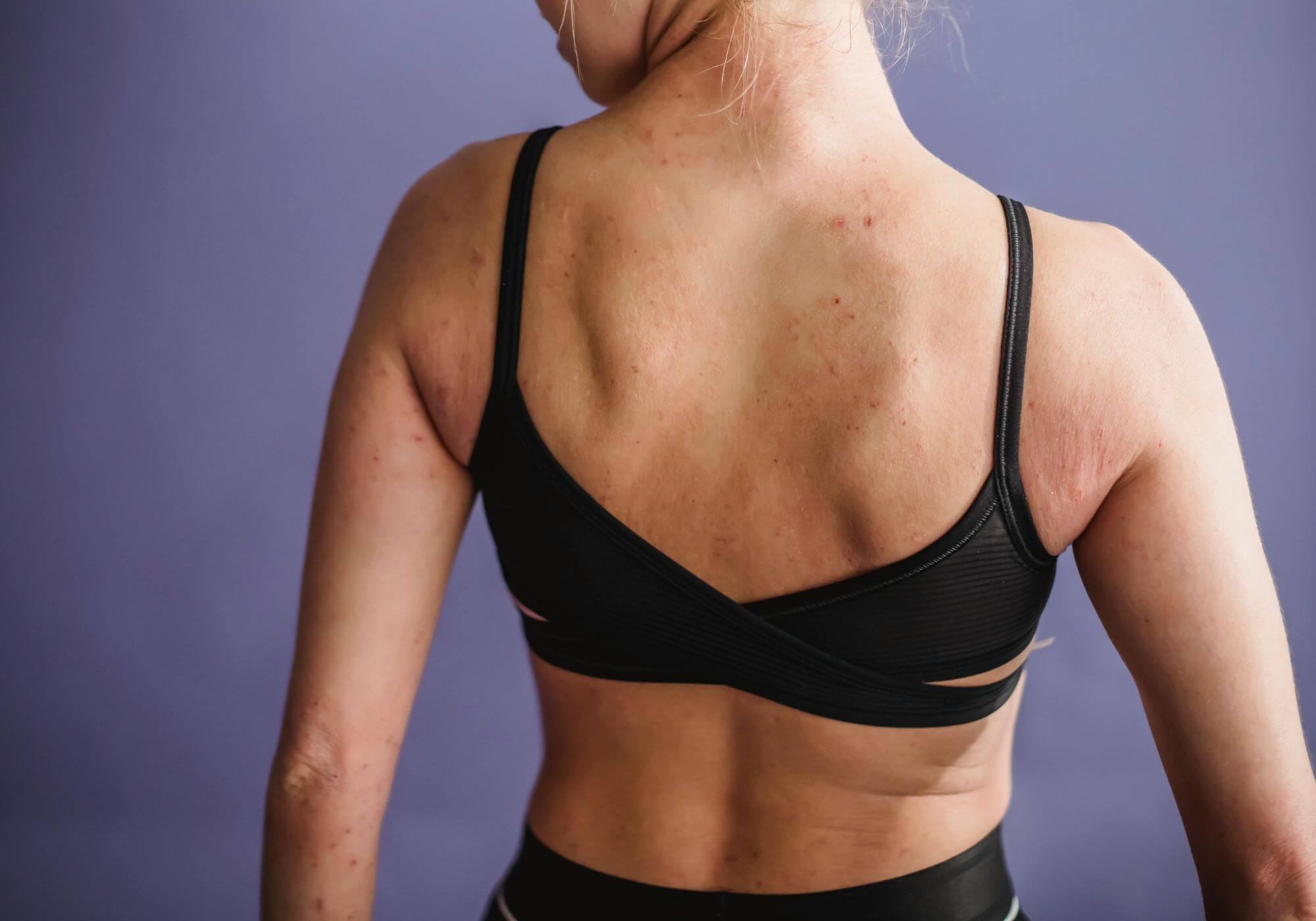
Rubella symptoms are not exactly attention seekers. They are the kind of symptoms that make you say, “Maybe I’m just run down.” That is why they are so easy to miss. In children and adults, rubella commonly causes a pink or red rash that often starts on the face and then moves downward, a low fever, swollen lymph nodes behind the ears or in the neck, mild conjunctivitis, a runny or stuffy nose, nausea, and general blah feelings that can resemble a minor cold or flu. Some adults, especially women, may also have joint pain or temporary arthritis-like symptoms. The tricky part is that not everyone looks dramatically sick, and some people may not realize they were infected until after they have already been around others. WHO notes that symptoms usually appear around two to three weeks after exposure, which gives the virus plenty of time to stay sneaky. And because a lot of people hear “rash” and immediately think of allergies, heat, or a random skin flare-up, rubella can be shrugged off at exactly the wrong moment. If you are pregnant, trying to conceive, recently exposed through travel, or living in a household with someone vulnerable, these symptoms deserve more respect than the average “maybe it’s nothing” virus. No, you do not need to panic over every sniffle. But if a mild fever, rash, swollen glands, or unusual joint pain show up together, especially after travel or known exposure, it is wise to contact a healthcare professional instead of relying on guesswork and herbal tea. Sometimes the symptoms you ignore are the ones public health experts have been warning about all along.
Vaccine Myths vs Reality: What Science Actually Says ?
Let’s talk about the internet’s favorite hobby: turning vaccines into conspiracy content. When it comes to rubella prevention, the science is much less dramatic and much more reassuring than social media rumour mills would have you believe. The rubella vaccine is usually given as part of the MMR vaccine (measles, mumps, and rubella), and both WHO and CDC describe it as safe, effective, and essential for preventing disease and birth defects. A single rubella-containing dose gives more than 95% long-lasting immunity, according to WHO. CDC also states that most people who get the MMR vaccine do not have serious problems. Common side effects are usually mild, such as a sore arm, fever, mild rash, or temporary joint discomfort, especially in some teenage or adult women who were not already immune to the rubella component. What about the big myth that refuses to retire — autism? CDC states clearly that experts at CDC and the American Academy of Paediatrics agree there is no link between the MMR vaccine and autism. Another common myth is that it is somehow “better” to split the shot into separate injections, but CDC notes there is no published scientific evidence showing a benefit to breaking up the combination vaccine into separate shots. The reality is not glamorous: vaccines work best when people actually get them. And when people do not, communities slowly rebuild the exact kind of vulnerability these viruses need. If you want the least exciting ending to a rubella story, vaccination is it. No suspense, no emergency, no frantic exposure call during pregnancy — just prevention doing its quietly brilliant job.
Prevention Kit: Must-Have Essentials
First, the non-negotiable truth: no supplement replaces vaccination when it comes to rubella prevention. The MMR vaccine remains the main medical defence. But your day-to-day prevention toolkit can still support smarter health habits, especially if you are planning pregnancy, trying to stay well during travel, or simply taking a more proactive approach to family health. A helpful prevention kit starts with basics: confirm your vaccine status, schedule a preconception checkup if pregnancy is on your radar, keep a list of your regular medications, and talk to your clinician before adding or stopping anything important. From there, supportive products can make sense. Prenatal vitamins can help cover foundational nutritional needs before and during pregnancy preparation. Immunity-support supplements may help support overall wellness routines, especially when sleep, travel stress, and inconsistent eating habits are trying their best to sabotage you. And if your doctor recommends medications for fever management, allergy-like symptoms, or other routine needs, having trusted pharmacy access matters.
That feels helpful instead of pushy — exactly what health shoppers respond to. Prevention is not always flashy, but it is usually cheaper, calmer, and much more comfortable than cleaning up after a crisis.
10 FAQs About Rubella in 2026
It can feel a bit daunting to keep track of health advice these days, especially with so much noise out there. If you’re trying to wrap your head around what Rubella looks like in 2026, here is a more personal, down-to-earth breakdown of what you actually need to know.
What exactly is Rubella?
Most people know it as “German measles.” For the average person, it’s really not much more than a mild annoyance—a little rash, a bit of a fever, and you’re back on your feet. The reason doctors take it so seriously, though, is that it can be incredibly tough on a developing baby if a person catches it while pregnant.
Is it still a thing in 2026?
It’s easy to assume we’ve left these old viruses behind, but Rubella is still making the rounds. Even if it’s rare in your neighborhood, our world is so connected that it only takes one person traveling home from an area with lower vaccination rates for the virus to pop up again.
Why is it so risky during pregnancy?
Pregnancy is the hardest part and if anyone catches the virus at the early stage it may lead to the dangerous outcomes such as serious heart or brain issues to your baby.
What do you mean by (CRS) Congenital Rubella Syndrome?
This is the long-term phase where Rubella leaves behind. If you baby in the womb is infected than they can be born with the permanent hearing loss or even vision problems. The main goal is to prevent the infection at the beginning.
What are the first symptoms to watch for?
It’s pretty subtle. You might feel like you’re just coming down with a tiny cold—a low fever, some tender swelling behind your ears, or red eyes. A light pink rash usually shows up next, but it’s often so mild that people don’t even realize it’s Rubella.
How do I stay protected?
The MMR vaccine is really the hero here. It’s been around for a long time and does its job well. If you’re planning on getting pregnant, a simple blood test can tell you if you’re already immune or if you need a quick booster.
Can I get the shot while I’m pregnant?
No, this is one of those things you want to tick off the list beforehand. Doctors recommend getting the MMR vaccine at least a month before you start trying to conceive. It’s all about getting your defences ready before the baby is even in the picture.
Does the MMR vaccine cause autism?
This is a question that comes up a lot, but the answer is a very clear no. We have decades of high-quality research from all over the world now, and none of it has found a link.
Can I just take vitamins to prevent it?
While we all love a good wellness routine, supplements just can’t do the heavy lifting here. They help keep your body strong in general, but they don’t give you the specific “shield” your immune system needs to block Rubella.
What if I think I’ve been exposed?
If you’re pregnant and you think you’ve been around someone with the virus, don’t panic, but do pick up the phone and contact your physician. You don’t need to wait for a rash to appear to get their help and advice.
More Blogs