

Silent Hypertension: The Risk Most Americans Miss
Written By - Elira Stanswick
on February 5, 2026
Silent Hypertension: The Risk Most Americans Miss
What Is Silent Hypertension—And Why Should You Care?
Think of silent hypertension like that one friend who never asks for help, even when they’re completely overwhelmed. They put on a brave face, but underneath the surface, things are starting to fray. In the medical world, high blood pressure behaves exactly like that—it’s the ultimate master of disguise. It doesn’t come with a flashing red light or a painful warning; it just quietly hums along in the background, putting unnecessary pressure on your heart and kidneys.
The truly unsettling part? Nearly half of the adults in the U.S. are walking around with high blood pressure, and many of them feel perfectly fine. This is exactly why doctors call silent hypertension the “silent killer.” You could be having a great day, hitting the gym or enjoying a meal, while your blood pressure is slowly creeping into a dangerous zone. It doesn’t send you a warning text or knock on your door to let you know something is wrong. Often, people only realize there’s an issue when it’s already caused a major complication like a stroke or heart disease.
But here’s the silver lining: you aren’t a bystander in this. Simply knowing that silent hypertension exists is your best defence. Once you understand that “feeling healthy” doesn’t always mean your blood pressure is in check, you can take small, easy steps to keep an eye on it. This isn’t about living in fear; it’s about being your own best advocate. Catching these numbers early isn’t just a smart move—it’s a life-saving one. You don’t need a massive lifestyle overhaul or a complicated medical plan to start. Sometimes, the most powerful thing you can do for your future self is simply to stop, check, and listen.
The Numbers Don’t Lie: Silent Hypertension by the Stats
Numbers have a way of cutting through the noise, and when it comes to our health, they tell a pretty gripping story. Right now, about 116 million adults in the U.S. are living with high blood pressure. To put that in perspective, that’s nearly one out of every two people you pass on the street. But the real kicker? Only about half of them actually have it under control. This leaves millions of people navigating their daily lives with silent hypertension, completely unaware that their internal “pipes” are under constant, damaging stress.
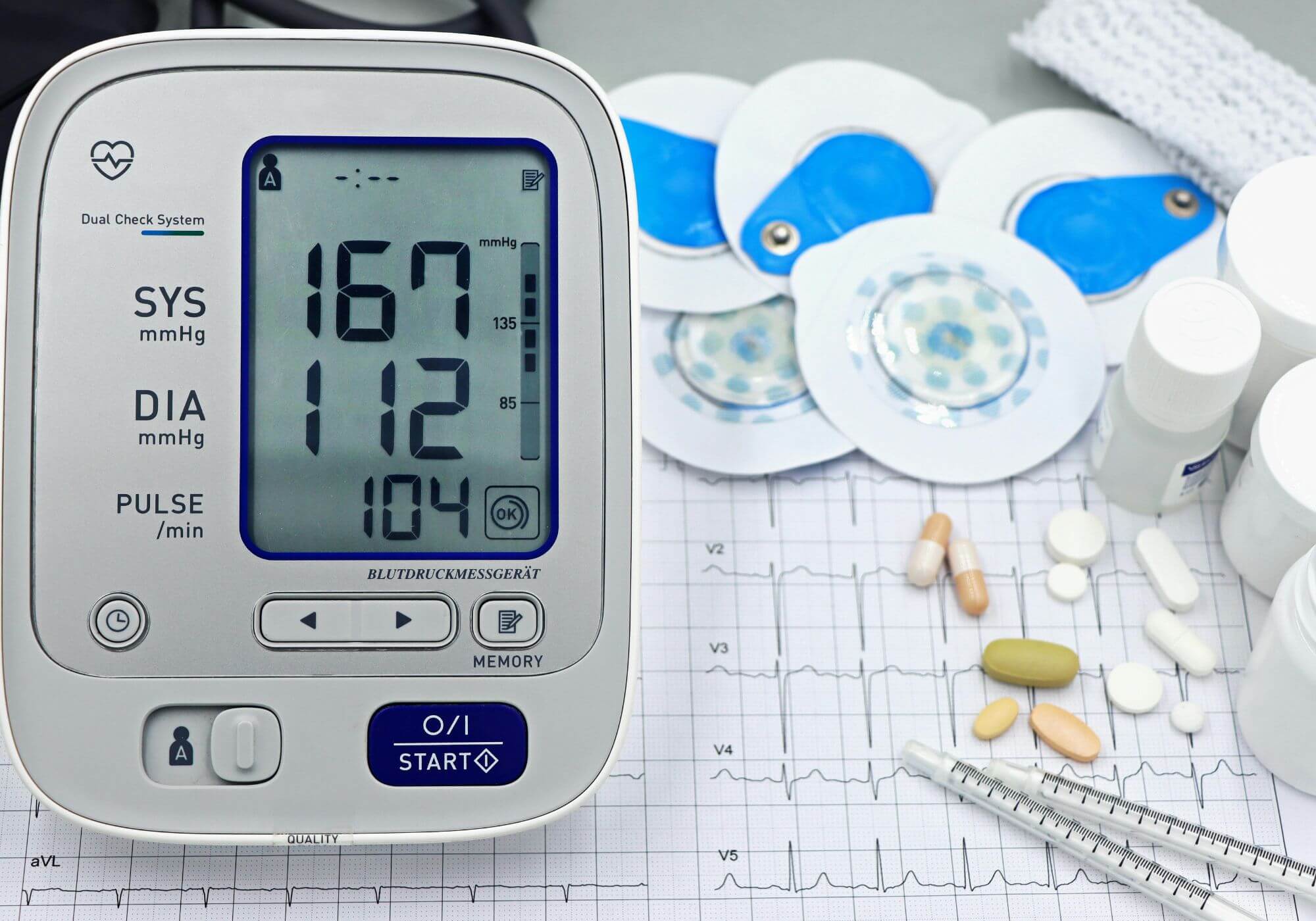
When you get your blood pressure checked, you’re looking at two specific numbers. The top one, your systolic pressure, is the force when your heart beats. The bottom, or diastolic, is the pressure when your heart takes a quick breath between beats. Ideally, you want to see something below 120/80 mmHg. Once those numbers climb to 130/80 or higher, you’ve officially crossed into the territory of silent hypertension. If you’re hovering in that middle zone—120 to 129 on top—consider it your body’s gentle way of clearing its throat to get your attention.
It’s also worth noting that silent hypertension doesn’t affect everyone equally. For instance, African Americans often develop it earlier and more severely. Men tend to be at higher risk before age 45, while women often see their risk spike after menopause. By the time we hit 65, the odds jump for everyone. But remember, these aren’t just cold statistics or entries in a medical database; they represent our parents, our friends, and ourselves. The bridge between being a “statistic” and being “in control” is actually quite short—it usually starts with the simple, quiet act of regular monitoring.
Why You’re Not Feeling Anything (And Why That’s Dangerous) ?
It’s a bit strange, isn’t it? Usually, when something is wrong, our bodies are pretty loud about it. But silent hypertension is different because your body is actually too good at its job. It’s incredibly adaptable. When your blood pressure creeps up slowly over months or years, your heart and vessels just… adjust. It’s like slowly turning up the volume on a speaker; you don’t realize how deafening the music has become until someone else walks into the room and has to shout to be heard.
The reason you don’t feel “sick” is that high pressure doesn’t actually trigger your pain receptors. Unlike a stubbed toe that sends an immediate “ouch” to your brain, silent hypertension quietly wears down your system without ever flipping the alarm switch. Day after day, that hidden stress weakens your artery walls and forces your heart to work overtime, all while you’re going about your business feeling perfectly fine.
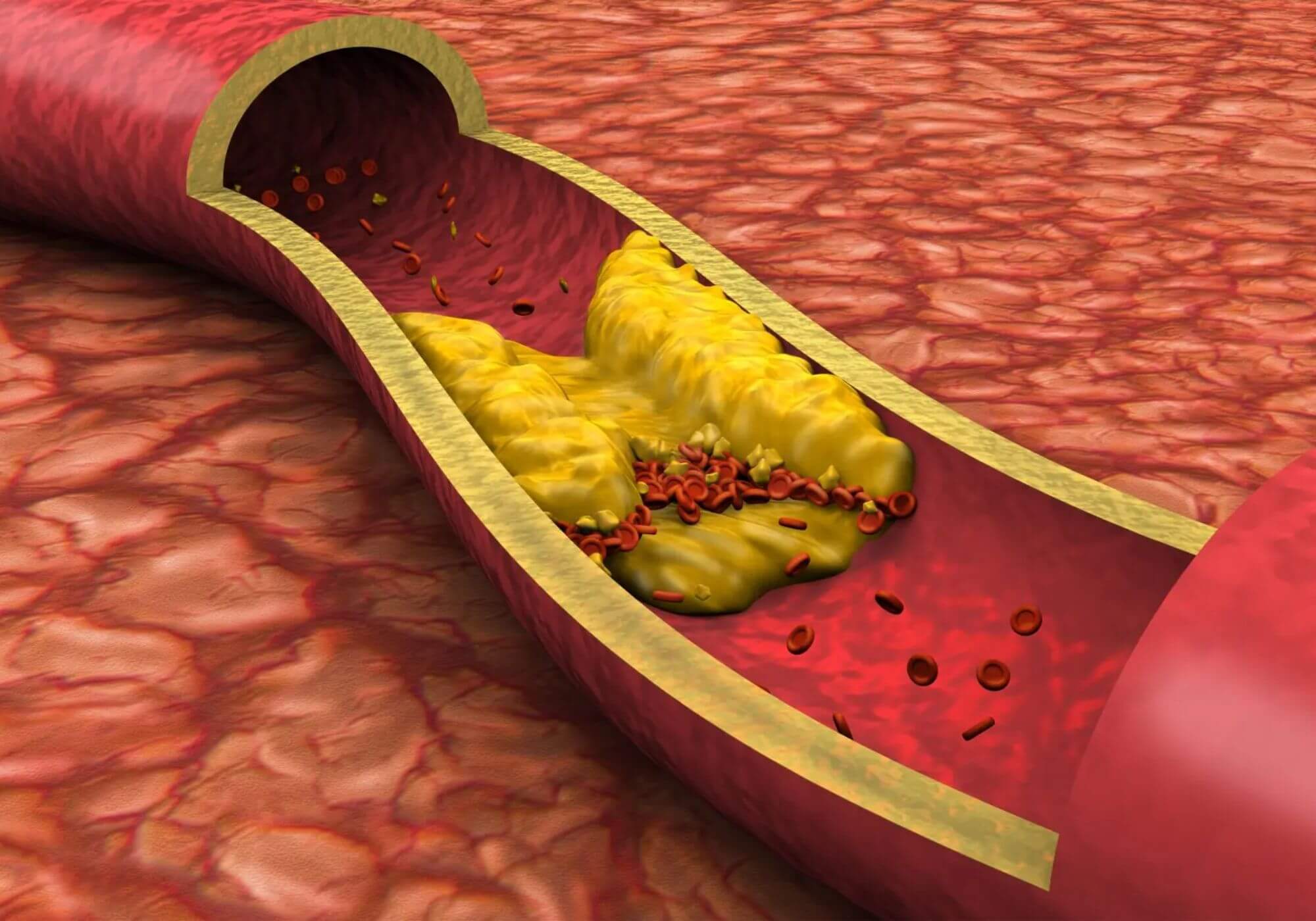
To visualize it, think of your blood vessels like a garden hose. When the water pressure is normal, everything stays flexible and works great. But if you crank that pressure to the max and leave it there for years, the hose starts to develop tiny cracks, weak spots, and eventually, leaks. Inside your body, your heart has to pump harder and harder against stiffening arteries, which causes it to enlarge and weaken over time. By the time you actually “feel” something—like a sudden headache, blurry vision, or chest pain—the damage has often been done. This is the true danger of silent hypertension: it’s a silent struggle that doesn’t ask for help until it’s reached a breaking point.
The Real-Life Consequences of Ignoring Silent Hypertension ?
Let’s get real for a second about what happens when silent hypertension is left to run wild. This isn’t about keeping you up at night with worry; it’s about understanding why checking your numbers today is such a massive win for your future self. When high blood pressure goes untreated, it becomes the leading driver of heart disease—the very thing that claims more lives than anything else. We’re talking about heart attacks, strokes, and kidney issues that, in many cases, could have been avoided entirely with a little early detection.
Your heart is the one doing the heavy lifting here. Imagine being forced to run a marathon every single day with no rest days—eventually, even the strongest runner is going to hit a wall. That is exactly what silent hypertension demands of your heart. It forces the muscle to pump against constant, grueling resistance, which can cause it to thicken and stiffen over time. Eventually, the heart just can’t keep up, leading to heart failure where it struggles to give your body what it needs.
It doesn’t stop there, though. Your brain is incredibly sensitive to this pressure, too. Those delicate blood vessels can only take so much before they’re at risk of a stroke or “mini-strokes” that quietly mess with your memory and clarity. Then there are your kidneys—your body’s built-in detox team. They rely on millions of tiny, fragile filters that high pressure can easily damage or destroy. Even your eyesight can take a hit. The domino effect of silent hypertension reaches almost everywhere, which is why catching it early is the ultimate “life hack.” It’s about protecting your energy, your mind, and your independence for years to come.
How to Catch Silent Hypertension Before It Catches You ?
Now for the best part: catching silent hypertension is actually pretty straightforward, as long as you make it a bit of a priority. You don’t need a medical degree or a room full of fancy equipment to stay on top of it. In fact, regular monitoring is the ultimate “cheat code” for your heart health, and it’s much easier to fit into your life than you might imagine.
The first step is simply getting those numbers checked. If your blood pressure is usually in the healthy range, the American Heart Association suggests a check-up at least every two years. However, if your numbers have been a bit high before, or if you have a family history, it’s worth checking in every few months. Many local pharmacies even have those self-service machines—there’s really no excuse to stay in the dark.
I’d also suggest grabbing a home monitor. They’re usually under $50 and very user-friendly. Plus, taking readings at home helps avoid “white coat hypertension”—that common spike in pressure just because you’re nervous at the doctor’s office. For the most accurate “real world” picture, try to measure your pressure at the same time each day, like in the morning before breakfast.
When you do sit down to check, technique is everything. Give yourself five minutes to just breathe and relax first. Sit with your back supported, feet flat on the floor, and your arm resting comfortably at heart level. Avoid coffee or a workout right before you hit “start,” and try to stay quiet—even chatting can nudge those numbers up. Instead of stressing over a single high reading, look for the overall pattern. Once you have a log of your numbers, bring it to your yearly check-up. Taking these small steps turns silent hypertension from a scary mystery into a manageable part of your wellness routine.
Lifestyle Changes That Actually Work (No Medication Needed—Yet)
Here’s the most exciting part: you actually hold the remote control when it comes to managing silent hypertension. You aren’t just waiting around for a diagnosis; you have the power to change the narrative through the choices you make every single day. Many people find they can get their numbers back into a healthy range simply by tweaking their daily habits—no complicated prescriptions required.
It starts in the kitchen, and the “DASH” diet is basically the gold standard here. It’s a fancy name for a simple concept: eat more of the good stuff (fruits, veggies, lean proteins) and less of the “hidden” salt found in processed snacks. Aiming for a little less sodium—ideally under 1,500 mg if your numbers are already creeping up—can make a massive difference. Cooking at home more often is a total game-changer because you’re the one in charge of the salt shaker.
Movement is your heart’s best friend. When you exercise, your heart gets stronger and more efficient, meaning it doesn’t have to work nearly as hard to pump blood. You don’t need to live at the gym; just 30 minutes of brisk walking, dancing, or cycling five days a week is plenty. Even ten-minute bursts of movement throughout your day count! If you’re carrying a bit of extra weight, losing even a small amount—just 5 to 10%—can take a significant load off your cardiovascular system.
Finally, don’t underestimate the power of a deep breath. Chronic stress keeps your body in a constant “emergency mode” that keeps your pressure high. Making time for yoga, meditation, or just a quiet walk in the park isn’t a luxury; it’s a necessity for your heart. When you combine this with cutting back on alcohol and ditching the cigarettes, you aren’t just fighting silent hypertension—you’re setting yourself up for better sleep, more energy, and a much longer, happier life.
Understanding Your Risk Factors (Are You in the Danger Zone?)
When it comes to silent hypertension, the playing field isn’t exactly level. While it can affect anyone, understanding where you stand personally is the first step toward taking control. Some risk factors are just part of your DNA or your birthday, while others are things you can actively shift.
Age and genetics are the heavy hitters you can’t change. As we get older, our blood vessels naturally lose a bit of their “bounce,” making it harder for blood to flow smoothly. For men, the risk usually climbs after age 45; for women, it tends to catch up after menopause. It also depends about your family history as your body is genetically connected to the hormones differently.
Race and the ethnicity are two other options that play a significant role. African Americans face a high risk in developing the silent hypertension in life and they experience sever complications as compared to other.
The good news? You have a lot of say in the other risk factors. Carrying extra weight, especially around your midsection, forces your heart to pump harder to reach every part of you. But even a small win—losing just 5 to 10 pounds—can noticeably lower your numbers. Pair that with more movement and less salt, and you’re already changing your trajectory. It’s also worth checking your medicine cabinet; common things like decongestants, ibuprofen, or even birth control can nudge your pressure upward. By knowing your specific risk profile, you aren’t just guessing anymore—you’re building a personalized shield against silent hypertension.
How We Support Your Heart Health Journey?
GenPharmaRx is built on the idea that you shouldn’t need a medical degree to understand your own body. They take all that complicated heart research and turn it into real-world advice you can actually use. Instead of hitting you with jargon, they give you the “why” behind your numbers and the “how” to make changes that fit into a busy schedule. It’s about empowering you to make smart choices without feeling like you’re being lectured.
The real aim is to obtain prevention. We would help you to stay healthy with small lifestyle that is simple to monitor before you face any crisis. By helping you track your progress and figure out your specific risks, they help you unmask silent hypertension while it’s still easy to manage. A healthy heart finds a balance with your food, the movement and the stress level of everyday. At the end of the day, looking after yourself shouldn’t feel like a solo mountain climb. You only need proper support and accurate information.
Building Your Personal Blood Pressure Action Plan
Let’s be honest: all the information in the world won’t protect your heart unless you actually do something with it. It’s time to take everything we’ve talked about and turn it into a plan that actually fits your life. Dealing with silent hypertension doesn’t have to be a second job; in fact, the more low-key and specific you keep your plan, the more likely you are to actually stick with it.
Start by making your check-ins automatic. Whether you’re using a home monitor or hitting the kiosk at the pharmacy, pick a time and stick to it—maybe right after you brush your teeth. Keep a simple log on your phone or in a notebook. Don’t just write down the numbers; jot down if you had a stressful day or an extra cup of coffee. Over time, you’ll start to see patterns that a single reading could never show you.
Next, pick three small wins to focus on. Don’t try to overhaul your entire life overnight. Instead of saying “I’ll eat better,” try “I’m going to cook at home four nights a week to control the salt.” Instead of “I need to exercise,” try “I’ll take a 20-minute walk after dinner.” If you haven’t seen a doctor lately, get a check-up on the books. Bring your log with you and ask the “silly” questions—it’s your health, and you deserve to have the full picture.
Finally, don’t try to be a hero and do this alone. Tell a friend or find a “health buddy” to keep things fun. Remember, you aren’t aiming for perfection; you’re aiming for consistency. Some weeks will be tougher than others, and that’s okay. Every small choice you make is a victory against silent hypertension.
Taking Control of Silent Hypertension Starts Today
Look, silent hypertension might be sneaky, but now you’re officially onto its game. You’ve got the full picture: you know what it is, why it plays keep-away with symptoms, and exactly how to catch it. That’s a huge deal. The power to avoid a major health scare isn’t hidden in a lab somewhere—it’s right there in your daily choices, the simple habit of checking your numbers, and the knowledge you’ve just picked up.
Don’t wait for a “warning sign” that might never show up. Start checking your blood pressure now, whether you’re using a monitor at home or the one at your local pharmacy. You don’t have to change your entire life by Monday, either. Just pick one or two small shifts—maybe drinking more water or taking a quick walk—and start there. Your heart is incredibly resilient, and it will absolutely thank you for the assist.
Resources like GenPharmaRx are there to keep you grounded with real-world tools and info, so you don’t have to guess. But the biggest move you can make? Finally booking that check-up you’ve been pushing to the back of your mind. Sit down with your doctor, show them your numbers, and have a real talk about where you stand.
Silent hypertension doesn’t have to be your story. With a little bit of awareness and a few simple actions, you can stop a crisis before it even thinks about starting. Your health is worth the five minutes it takes to check in on yourself. Take that first step today—your future self is going to be so glad you did.
More Blogs