

Gut-Cooling Summer Diet Hacks That Actually Work
Written By - Elira Stanswick
on March 25, 2026
Gut-Cooling Summer Diet Hacks That Actually Work
When summer gets loud, your gut often gets grumpy. One day you are sipping iced coffee on the go, the next day you are wondering why your stomach feels puffy, acidic, or oddly “heavy” even after a light meal. That is exactly why a smart Summer Diet matters. In hot weather, your body is already working overtime to stay cool, and digestion does not always get VIP treatment.
The good news? You do not need a complicated detox, a scary elimination diet, or a fridge full of expensive “wellness” drinks. You just need a few gut-cooling habits that are easy to follow, pleasant to eat, and realistic enough to stick with. This guide gives you exactly that: simple food ideas, science-backed gut support, smart supplement pairings, and a 3-day reset you can actually do without feeling like you have broken up with joy.
Why Your Gut Suffers Most in Summer ?
Summer does not just make you sweat more. It can also make your digestive system more sensitive. In high heat, your body shifts more blood toward the skin to help cool you down. That sounds clever, because it is, but it can also mean less blood flow for the gut at the same time. Research on heat stress shows that high temperatures and dehydration can slow gastric emptying and increase gut discomfort, which helps explain why you may feel nausea, heaviness, cramping, or that annoying “food is just sitting there” feeling after meals in hot weather. If you are also skipping water, eating outdoors, or relying on quick convenience foods, your stomach has even more reasons to complain.
Then come the classic summer troublemakers: acidity, bloating, dehydration, and irregular bowel habits. You may drink less water than you think, sweat out more fluids than you realize, and then pile on cold coffees, fizzy drinks, fried snacks, and late dinners because your routine is off. That mix can trigger reflux, belching, stomach fullness, and general digestive drama. Water-rich foods such as cucumber, lettuce, watermelon, yogurt, and soups can help support hydration, while public health guidance for hot weather also recommends regular fluid intake and going easy on ice-cold, alcoholic, and sugary drinks when your stomach already feels touchy. In short, your gut becomes more fragile in summer not because it is weak, but because the season keeps testing it from every angle.
The “Cooling Foods” Science
For years, “cooling foods” sounded like something your grandmother knew and science had not caught up with yet. Now the conversation is getting sharper. The modern view is less about food temperature and more about how foods affect hydration, gut microbes, inflammation, and digestive comfort. Probiotics are live microorganisms that act mainly in the digestive tract and may improve digestive function when taken in sufficient amounts. Prebiotics, on the other hand, feed beneficial microbes already living in your gut. Reviews on intestinal barrier health suggest that stressors can weaken the gut lining, while probiotics may help support barrier integrity; prebiotic effects appear more modest, but still relevant as part of a broader food-first routine. So yes, your Summer Diet can be “cooling” without being mystical. It just means eating in a way that is easier on your gut and friendlier to your microbiome.
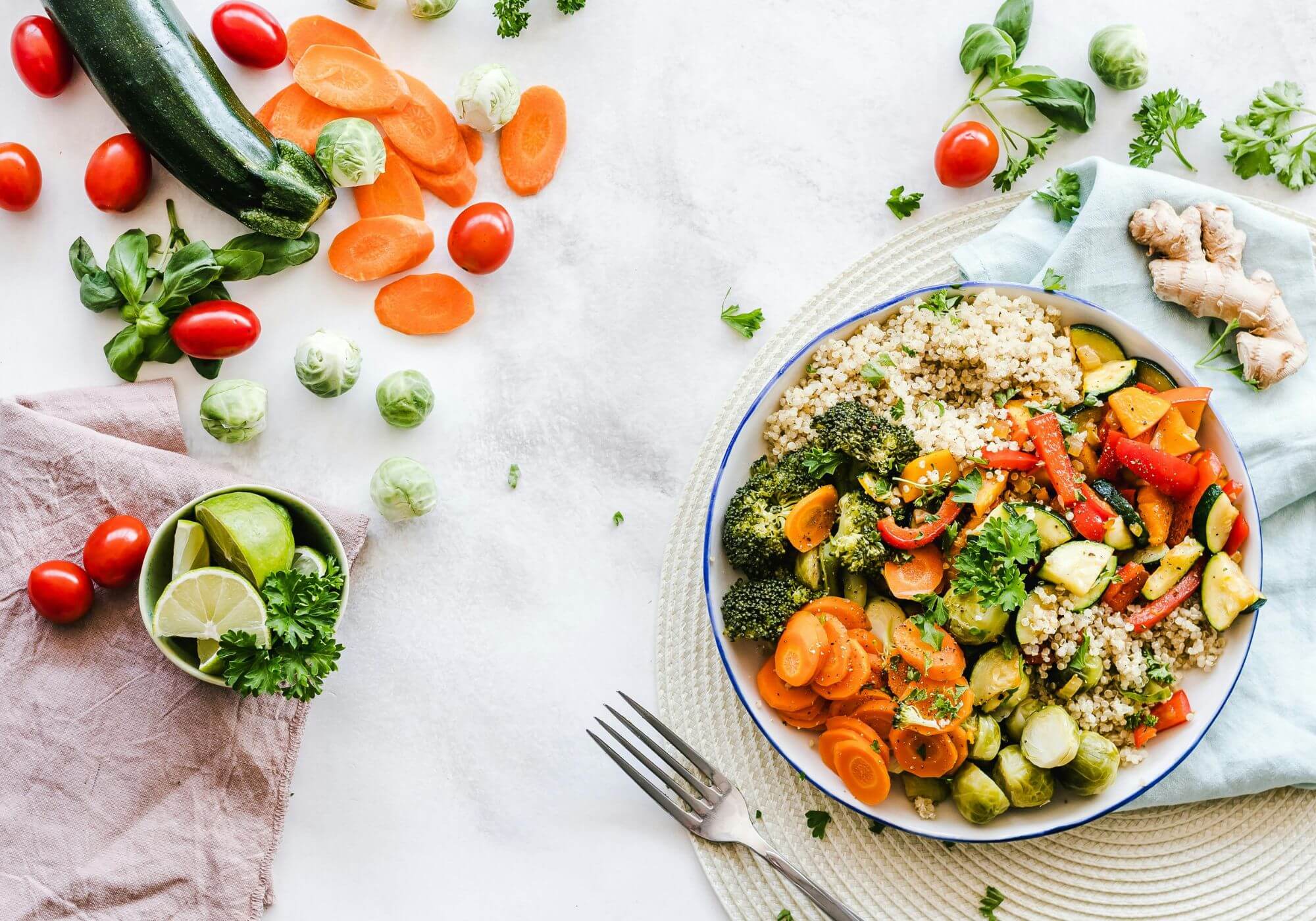
Fermented foods and water-rich produce are where this gets especially interesting. Reviews of fermented foods show they can influence the gut microbiome and, in some studies, increase microbial diversity, although researchers are careful to say the science is still evolving and not every fermented food works the same way for every person. Meanwhile, water-rich foods such as celery, cucumber, romaine, yogurt, and fruit help you hydrate while you eat, which is often much easier than remembering to chug water all day long. That is why the best summer gut strategy is not just “avoid spicy food and hope for the best.” It is building meals around hydration, gentle fiber, fermented choices, and lighter portions that your gut can handle without throwing a tiny internal tantrum.
5 Unexpected Summer Super Foods
Let’s make your Summer Diet more interesting than plain curd and plain cucumber. First up: soaked basil seeds. Once soaked, they swell into a soft, gel-like texture that feels refreshing in water, lime drinks, or yogurt bowls. They are also known for their fiber content, which can make them a clever little add-on when your digestion feels sluggish but you do not want a heavy meal. Next comes fermented kanji, that tangy, lightly sour traditional drink that deserves a comeback. Because it is a fermented beverage, it fits neatly into the growing interest around fermented foods and gut microbiome support. Then there is coconut kefir, a fun pick if dairy feels too heavy in the heat. It gives you the fermented-food angle of kefir, and if coconut water is part of the base, you also get electrolytes that can support hydration in sweaty weather.
The next two are humble but brilliant. Ash gourd juice is light, mild, and easy to sip when your stomach feels overworked. It is not a magic potion, and you do not need to treat it like one, but it can be a practical swap for sugary drinks or creamy shakes on hot afternoons. Finally, do not underestimate a good cucumber-mint blend. Cucumber is famously water-rich, while mint adds a fresh finish that makes hydration feel less boring. Just keep your expectations sensible: evidence is much stronger for enteric-coated peppermint oil in adults with IBS than for ordinary mint water as a treatment. That said, if mint helps you drink more fluids and your stomach enjoys it, that is already a small summer win. These foods are “super” not because they are trendy, but because they are cooling, easy, and kind to a tired gut.
Smart Supplement Pairings for Gut Relief
Food should lead, but supplements can absolutely make your Summer Diet work harder for you. The trick is pairing the right support with the right situation. If your heaviest summer meal still leaves you feeling too full, a digestive enzyme blend may help because digestive enzymes normally break down fats, proteins, and carbohydrates. If your gut feels “off” after travel, outdoor eating, or routine changes, a well-formulated probiotic can be a sensible add-on since probiotics work mainly in the digestive tract and may support digestive function. And if you sweat heavily, feel washed out, or get that summer headache-plus-fatigue combo, an electrolyte mix or rehydration sachet may make more sense than plain water alone. Think of it as building a support team for your stomach instead of expecting one salad to save the day.
If you want the buyer-friendly version, here it is: keep it simple and purposeful. A probiotic for daily gut support, an enzyme product for your heaviest meals, and an electrolyte blend for very hot days is a far smarter stack than buying ten random “detox” products with tropical labels. Also, read labels like you mean it. The NIH advises checking probiotic products for the exact strain, storage instructions, and colony-forming units listed through the expiry date, not just at manufacture. Probiotics can also cause gas and are not right for everyone, especially people who are seriously ill or immunocompromised. In other words, shop smarter, not shinier. Good supplements should quietly support your gut, not become the main character of your day.
Mistakes That Are Heating Up Your Gut
Sometimes the problem is not what you forgot to eat. It is what you accidentally made into a summer personality trait. Iced caffeine overload is one of the biggest offenders. You feel tired, you grab cold coffee, then another, then maybe a fizzy drink later, and suddenly your stomach is producing protest notes in the form of acidity, belching, and bloating. Guidance for reflux and indigestion commonly flags coffee, fizzy drinks, large meals, and high-fat foods as symptom triggers. Add fried snacks, chips, pastries, pizza, and deep-fried “just one bite” moments, and digestion gets even slower and heavier. Hot weather already nudges your gut into a delicate mood; greasy, caffeinated chaos is not exactly the apology it wants.
Then there is the late-night eating trap. Summer evenings run late, social plans stretch out, and dinner quietly moves to 10:30 p.m. That may feel fun in the moment, but lying down too soon after eating is a classic way to stir up reflux and discomfort. NHS guidance specifically recommends avoiding late meals and not eating within three hours of bedtime if reflux is an issue. Very hot or very cold foods may also bother some people, and WHO hot-weather advice suggests going easy on ice-cold, alcoholic, and sugary drinks if you want to be kinder to your stomach. If your gut has been acting dramatic lately, try a food-and-symptom diary for one week. You may find your “healthy summer routine” is actually three coffees, two lemon sodas, fried appetizers, and midnight dessert. Mystery solved.
3-Day “Cool Your Gut” Reset Plan
If your stomach feels cranky, do not panic and do not start a dramatic “liquids only” detox. A better move is a short, realistic reset that cools your routine down. For the next three days, keep meals lighter, hydrate steadily, and cut the obvious irritants: fried foods, late-night eating, too much caffeine, and sugary drinks. Your goal is not to eat perfectly. Your goal is to make digestion feel easy again. That is the heart of a practical Summer Diet.
Day 1: Start with water or a cucumber-mint drink, then have a light breakfast such as yogurt with fruit or a simple smoothie. Add soaked basil seeds later in the day if you enjoy them. Keep lunch soft and easy: rice, curd, cooked vegetables, or a light bowl meal. If you already use a probiotic, this is a good day to take it with your breakfast. Keep dinner early and small
Day 2: Bring in one fermented item such as kanji or coconut kefir, but keep portions modest. Eat slowly, chew properly, and skip the fried “treat” that usually sneaks in with tea. If your heaviest meal tends to sit badly, this is where a digestive enzyme supplement may fit nicely. If you are sweating a lot outdoors, add an electrolyte sachet instead of relying on plain water alone.
Day 3: Keep the momentum. Try ash gourd juice or another gentle, water-rich option in the first half of the day, choose grilled or steamed foods over oily ones, and finish dinner at least three hours before bed. By now, your bloating should feel calmer, your acidity less dramatic, and your gut a little less offended by life. If symptoms are frequent, severe, or keep returning, it is worth checking in with a healthcare professional instead of guessing your way through it.
Final Takeaway
A good Summer Diet is not about eating less. It is about eating smarter for the season you are in. When you cool down your meals, hydrate through both drinks and foods, use fermented choices wisely, and support your gut with thoughtful supplements, you give your digestion a much easier job. Your stomach does not need perfection. It just needs fewer summer ambushes.
More Blogs