

War Zones to Wellness: Health Survival Guide
Written By - Elira Stanswick
on April 8, 2026
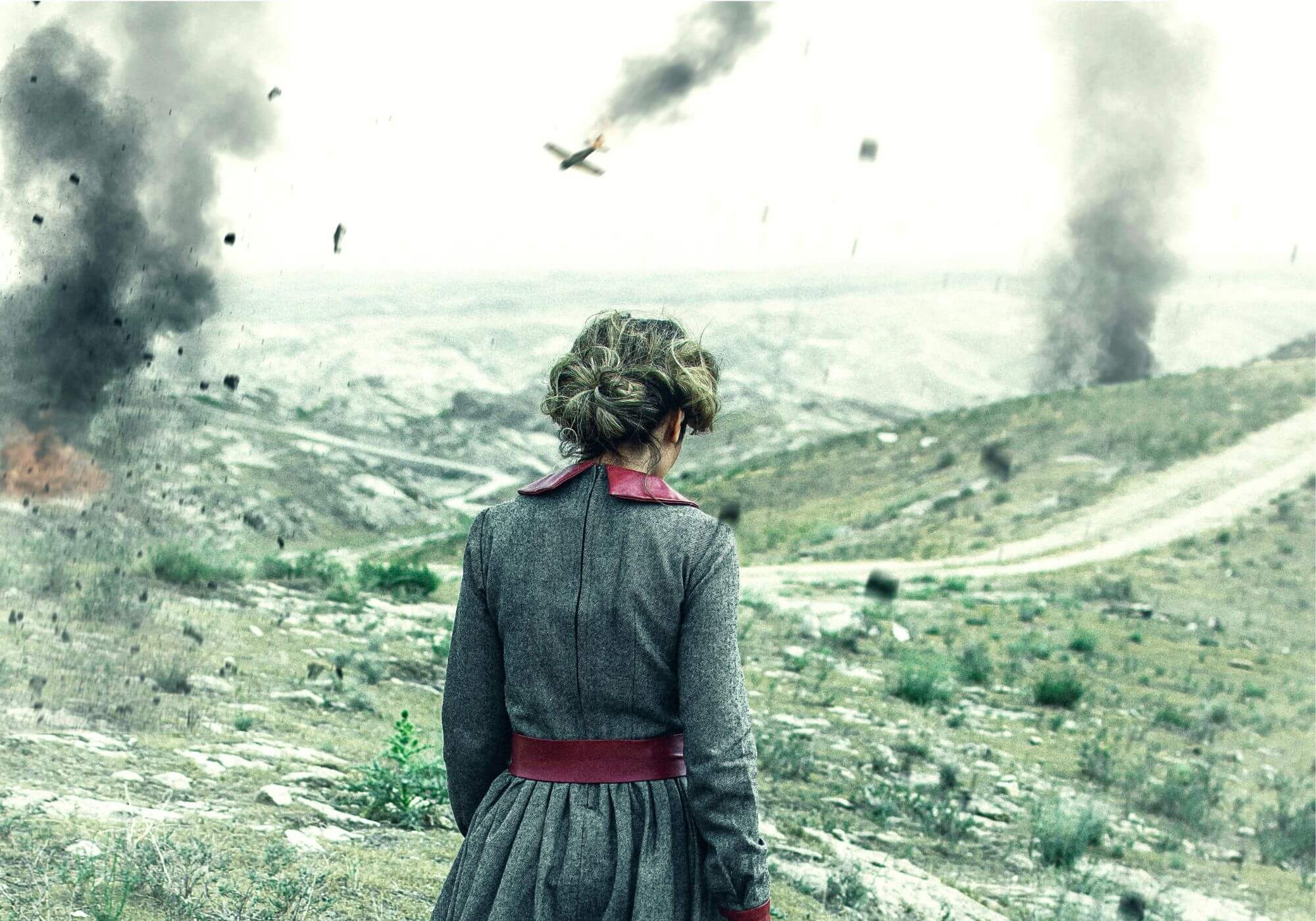
If there is one thing extreme survival situations teach you, it is this: health is not just about looking fit or remembering your vitamins once in a blue moon. It is about staying functional when life gets messy, stressful, unpredictable, and honestly a little chaotic. That is why this Health Survival Guide takes inspiration from war-zone survival thinking and turns it into something useful for your real life. No bunkers required. Just smart habits, calm planning, and a few health upgrades you will thank yourself for later.
This article is built for real people with busy schedules, rising stress, endless notifications, and a strong desire to stay well without turning life into a full-time wellness project. You will learn how to think like a survivor, prepare like a pro, and live like someone who values prevention over panic. Ready? Let’s build your everyday resilience.
Survival Instincts: What War Teaches About Health
In a crisis, nobody wins by being the strongest person in the room for ten dramatic minutes. The people who last are usually the ones who adapt fast, stay calm under pressure, and use what they already have. That same rule applies to your health. You do not need a perfect routine, a fridge full of super foods, or a smartwatch that nags you like a strict auntie. You need resilience. Your body and mind do best when you build simple habits that help you recover, adjust, and keep moving even when life feels upside down. That is the heart of a modern Health Survival Guide: not perfection, but preparedness. Research on resilience shows that people cope better when they focus on connection, wellness, healthy thinking, and a sense of purpose rather than waiting for life to become stress-free.
Extreme environments also highlight something many people forget: routine is protective. In unstable settings, small consistent actions matter more than big promises. Drinking enough water, taking your medications on time, sleeping when you can, washing your hands, and checking in with your mental state are not boring basics. They are survival behaviors. Preparedness guidance also reminds households to think ahead, keep supplies ready, and update them as needs change. That same mindset can reduce panic during illness, family emergencies, or even a brutal flu season.
So, what can you take from all this without moving into a camouflage tent? Keep your health habits simple enough to survive a hard week. Build backup plans. Know your weak spots. If stress wrecks your sleep, protect your evenings. If you forget meds, use a pill organizer. If you crash into junk food when work gets wild, stock better snacks before the meltdown. Survival is not always dramatic. Sometimes it just looks like you being ready on a random Tuesday.
Emergency Health Kit: Must-Have Essentials
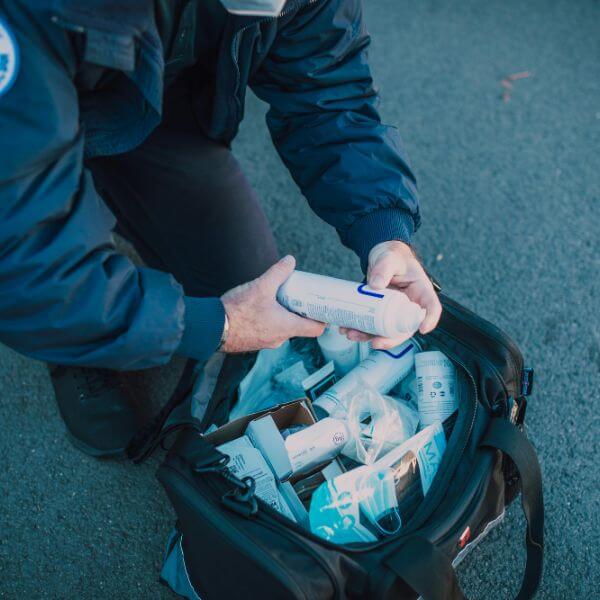
Every home needs a health backup plan, because illness never checks your calendar before showing up. A proper emergency health kit is one of the smartest parts of any Health Survival Guide. Start with the obvious heroes: your prescription medications, a copy of your medication list, and a few days’ supply of the over-the-counter basics you actually use. Think pain relief, fever reducers, allergy medication, antacids, anti-diarrhea support, oral re hydration options, thermometer, and first-aid essentials like adhesive bandages, sterile gauze, antiseptic wipes, medical tape, tweezers, and disposable gloves. Preparedness guidance also recommends soap, hand sanitizer, disinfecting wipes, and vitamins you already use as part of your emergency supply planning.
Now let’s make that kit realistic, not Pinterest-pretty. Add a digital or printed copy of insurance information, your doctor’s number, backup glasses or contact supplies, menstrual products, and a flashlight for those moments when the power disappears exactly when your child spikes a fever. If someone in your home has asthma, diabetes, severe allergies, or another chronic condition, build your kit around those needs first. A household kit should fit your real life, not some generic “healthy family” fantasy. Store it somewhere dry, easy to grab, and known by everyone in the house. Then check expiration dates twice a year, because expired supplies are basically clutter with confidence.
And yes, supplements can belong here too, but keep it sensible. This is not the moment for random mega-dose shopping. Stick to what your household already tolerates and uses regularly. A compact wellness shelf with a first-aid kit, hydration support, a pill organizer, and a daily supplement box can subtly turn your home into a calmer, better-prepared space. That is good for safety, and even better for buyer-minded readers who want simple products that solve real problems instead of collecting dust.
Mental Armor: Coping with Anxiety & Trauma
If physical survival needs supplies, mental survival needs skills. Stress, fear, uncertainty, bad news, financial strain, burnout, and personal loss can pile up fast, and your nervous system does not always care whether the threat is a battlefield or your unread inbox. That is why a strong Health Survival Guide must include mental armor. Not fake positivity. Not “just relax.” Real tools. Mental health experts recommend practical self-care habits like regular sleep, movement, social support, setting priorities, and showing yourself some compassion when life feels heavy. Resilience research also shows that emotional pain during hard times is normal, and that resilience is something you can build rather than a talent lucky people are born with.
Start with techniques you can use anywhere. Box breathing is one of the techniques that can be used. On four inhales then exhale and hold on four. Do it for one minute when anxiety starts kicking furniture inside your chest. Use the 5-4-3-2-1 grounding method when your thoughts spiral. Write down what is stressing you out and circle only the part you can control today. Text one safe person instead of disappearing into doom scrolling. These habits sound small because they are small, and that is exactly why they work. The brain trusts repeatable actions more than dramatic promises.
If your stress is affecting sleep, appetite, work, parenting, or your ability to function day to day, do not treat that like a personality flaw. Treat it like a health signal. Professional support matters. You are not weak for needing help; you are wise enough to stop white-knuckling everything alone. Emotional wellness is not a luxury add-on. It is part of the equipment.
Infection Defense: Staying Safe in Crisis Situations
When the world feels risky, people often jump straight to “immune boosters,” mystery powders, and bold internet claims from someone filming in perfect lighting. Let’s keep it grounded. Real infection defence is not flashy. It is layered. A smart Health Survival Guide focuses on proven actions that lower risk in everyday life and during outbreaks. Public health guidance continues to recommend staying up to date on vaccinations, washing hands regularly, improving indoor air when possible, cleaning commonly touched surfaces, and taking precautions when you are sick. These are not old-fashioned tips. They are still the core playbook.
Hand hygiene deserves a little more respect than it usually gets. It is one of the easiest and most effective ways to reduce the spread of germs, and the basic CDC method is wonderfully unglamorous: wet, lather, scrub, rinse, dry. Do it before eating, after using the bathroom, after coughing or sneezing, and after touching high-contact surfaces in busy places. If soap and water are not available, alcohol-based hand sanitizer is a useful backup. Add tissues, sanitizer, disinfecting wipes, and a few well-fitting masks to your household stash, especially if you live with kids, older adults, or anyone at higher risk.
And here is the part people skip: your immune system also likes boring things. Sleep. Regular meals. Hydration. Better recovery when you are already run-down. Crisis health is not built only when headlines get scary. It is built in the ordinary days when you choose prevention over panic. That shift alone can save you a lot of trouble later.
Nutrition Under Pressure: Eating Smart Anywhere
Stress changes the way you eat. Sometimes it kills your appetite. Sometimes it turns you into a snack-seeking missile with no memory of opening the pantry. That is why this Health Survival Guide is not about perfect clean eating. It is about smart eating under pressure. The goal is simple: keep your energy steady, your brain clearer, and your body supported when life gets hectic. The healthiest strategy is not complicated. Build meals around basics you can repeat: protein, fiber, fluids, and convenience foods that are actually useful. According to the World Health Organization (WHO), a healthy diet emphasizes minimally processed foods, at least 400 grams of fruits and vegetables a day, enough fiber, and lower intake of salt, sugar, and unhealthy fats.
Busy life? Keep frozen vegetables, canned beans, oats, yogurt, eggs, nut butter, tuna or salmon pouches, soup with reasonable sodium, whole-grain crackers, and fruit you can grab with one hand. Frozen and canned produce can absolutely work, especially when they do not come loaded with added sugar or excess salt. That means your backup meal can be just as strategic as your “I have my life together” meal. Think quick pairings: Greek yogurt with fruit, toast with eggs, beans over rice, chicken wrap with salad greens, or a protein smoothie when chewing feels ambitious.
Also, do not underestimate portable nutrition. A glove box snack pack, desk drawer nuts, a water bottle you actually like, and meal-prep containers that make leftovers easier can dramatically improve your choices when stress hits. Eating smart under pressure is not about discipline. It is about design. If your environment makes healthy choices easier, your body does not have to negotiate with chaos every single day.
From Survival to Strength: Thriving Beyond Crisis
The final step in this Health Survival Guide is the most important one: do not stop at survival. Use survival thinking to build long-term strength. Crisis teaches you what matters fast. Recovery teaches you how to keep it. Once you know your pressure points, you can design a healthier life around them. Maybe you need a stronger sleep routine, a stocked medicine station, a weekly food reset, cleaner air at home, or better boundaries with stress. Maybe the most powerful thing you can do is finally schedule the checkup you keep postponing like it is a minor side quest. Resilience grows when your habits support you before a hard season arrives.
Thriving also means thinking beyond emergencies. Keep your vaccines current. Refresh your first-aid supplies. Move your body in ways you can stick with. Protect relationships that help you regulate when life gets noisy. Mental health experts and wellness guidance both point to the same pattern: regular sleep, movement, supportive connection, and purposeful routines strengthen your ability to cope and recover. You do not need a dramatic transformation. You need a system that still works when motivation is low and life gets weird.
If you want a subtle product angle, this is where it fits naturally. A quality pill organizer, home first-aid kit, hydration bottle, meal-prep set, air purifier, sleep-friendly lamp, or simple supplement organizer can support the habits you are trying to keep. The best wellness products are not trendy trophies. They make healthy behavior easier. And that, honestly, is how you go from barely coping to genuinely stronger.
Closing Thought
You do not need to live in a war zone to learn from survival strategy. You just need to pay attention to what keeps people functioning under pressure: preparation, adaptability, calm thinking, clean habits, good nutrition, and support. That is what makes this Health Survival Guide more than a catchy headline. It is a reminder that wellness is not built only in peaceful seasons. It is built in the middle of real life, one prepared choice at a time.
10 FAQs for “Health Survival Guide”
What is a Health Survival Guide?
A Health Survival Guide is a practical plan that helps you protect your physical and mental well-being during stressful, uncertain, or emergency situations. It also includes the preparedness medication tips and hygiene with nutrition and stress management.
Why is health preparedness important in everyday life?
Health preparedness matters because emergencies are not always dramatic. Illness, stress, power outages, medicine shortages, and family crises can all disrupt your routine. Preparedness helps you to stay functional and safe when life is unpredictable.
What can we include in an emergency health kit at home?
You can include prescription medicines such as pain relievers and antacids. A thermometer and bandages with antiseptics supplies. You may also include soap, gloves and hand sanitizer with disinfecting wipes as personal health items which are based on your family’s needs.
How can we protect mental health during stressful times?
You can protect your mental health by getting enough sleep, staying physically active, building a support network, setting priorities, practicing mindfulness, and using healthy coping tools instead of harmful habits. If stress begins affecting daily functioning, professional help is important.
What can be the best ways to reduce the infection risk in a crisis?
The best way is to get all vaccines time to time. Keep your hands washed regularly and clean the common surfaces. You can improve the indoor air where possible and stay away from other when you are sick.
How much important is the handwashing in health survival routine?
Washing hands are one of the simple and most effective way to prevent the spread of the germs as it is especially important before eating and after using the bathroom. Even after coughing and sneezing. You should also wash hands after touching the high contact surfaces.
What foods are best to keep for the busy or stressful times?
The best foods for the stressful times must be nourished and practical. Some of the good’s options are the canned beans, frozen vegetables, fruit and yogurt and eggs, whole grains and nuts.
Can frozen or canned foods be a part of the healthy diet?
Yes, it is possible that the frozen and the canned foods can be a part of the smart health plan. They are good when fresh food is unavailable. They can be helpful if you choose options with or without sugars or excess sodium.
How can you build a long-term health strength after any crisis?
You can grow long term health strength by adding consistent habits such as sleep regular movement, healthy thinking and strong social support with smart nutrition and proactive healthcare. It is not about being perfect but also learning how to adapt and recover.
Is a Health Survival Guide only for emergencies or war-like situations?
No, a Health Survival Guide is useful for everyday life too. The same habits that help in extreme situations—preparation, hygiene, emotional control, good nutrition, and routine care—also help you handle modern daily stress more effectively.
More Blogs